Playboy Kuti: African music isn’t about copying trends; we are at the centre of global sounds

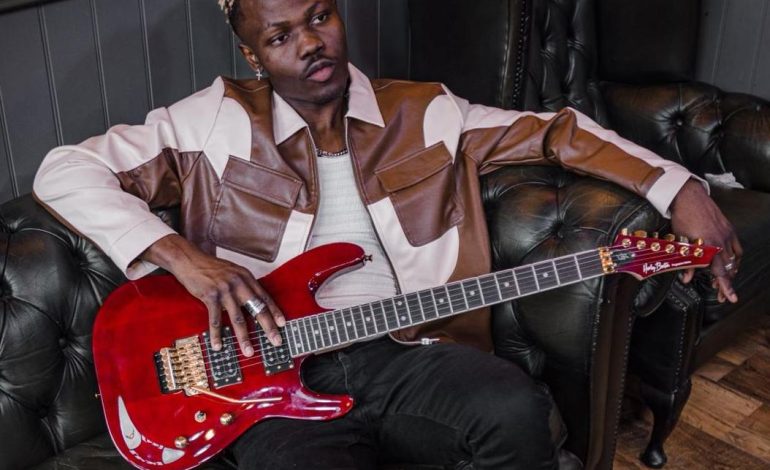
Rising from the buzzing rhythmic avenues of Lagos to the thriving lanes of the United Kingdom, Oluwafunbi Mafoluku, professionally known as Playboy Kuti, is on a musical journey to global significance. In this interview, he speaks on the significance of his roots, the weight of sustaining depth amid the performing allures of embracing diverse stages, and his deliberate path to carving a creative identity while staying true to his art form
By Anote Ajeluorou
Who is Oluwafunbi Mafoluku and how did he get into the performing arts?
PROFESSIONALLY, I am known as Playboy Kuti. I was born and raised in Lagos, Nigeria, and I am now based in Cardiff, Wales. My performing arts journey started from my background, my family and the environment I grew up in. Music was always around me. My parents listened to all sorts of genres, as long as the vibe was good and the lyrics carried some kind of lesson or message. That shaped me more than I realised at the time. It taught me that music should not just sound good; it should leave something with people. That is why, even in my own music, I try to pass a message while still keeping the rhythm, energy, and feeling alive.
Growing up in Lagos also shaped the way I see sound, movement and culture. Music was everywhere, whether on the streets, in parties, in churches, at family gatherings, and in the everyday energy of the city. When I moved to the UK, I carried that background with me. I did not want to lose that part of myself. Instead, I wanted to build something that connected where I came from with where I am now. That is how Playboy Kuti became more than just a stage name. It became a way for me to express my African identity, my Nigerian roots, my personality, my ambition and my place within the UK creative scene.
My journey has not been straight or easy, but it has been honest. I have performed across different stages in the UK, including Cardiff, London, Swansea and Pontypridd, and I have continued to grow as an Afropop artist and performer. For me, music is not only about releasing songs. It is about creating an experience, building a world, and giving people something they can feel.
What inspired you to become a performer?
I think the first inspiration came from the environment I grew up in. Lagos is a very creative place, even when people do not call it creativity. The sounds, the hustle, the fashion, the way people express themselves, the confidence, the humour, the struggle and the joy all shaped me. I have also been inspired by Afrobeats and African performers who made me feel like our sound could travel anywhere in the world. Seeing African artists take their stories to global stages made me believe that I could also create from my own background and still connect with people outside my immediate environment.
I did not become an artist just because I wanted fame. I became an artist because I needed somewhere to put my emotions, my ideas, and my identity. Music gave me a language for things I could not always explain normally.
Your stage name, Playboy Kuti, has a unique vibe. What is the story behind the name?
The name, Playboy Kuti, comes from different parts of my life. The ‘Playboy’ part goes back to high school. I used to be part of a brand with a bunny logo that had a similar kind of feel to the Playboy logo, and I always liked how bold and recognisable it felt. So when I started thinking about my own stage identity, I wanted something that carried, style, charm and a bit of mystery. The Kuti part comes from Fela Kuti. I have a lot of respect for Fela, not just because of his music, but because of what he stood for. His songs carried history, truth, courage and messages that were bigger than entertainment. That is something I also want in my own music. I want people to dance and enjoy the sound, but I also want the music to say something and leave people with a message. So Playboy Kuti became a way of bringing both sides together. The bold performer side of me, and the part of me inspired by African music, history and message driven creativity. I am not saying I have any direct connection to the Fela Kuti family or official brand. The name is my artistic identity, inspired by my school years, my Nigerian background, and my respect for Fela’s legacy.
Has there been a defining moment that made you take music seriously?
There have been a few defining moments for me. One of them was being nominated for Best Afrobeats Track at the Black Welsh Music Awards. I was not expecting it at all, and even though I did not make it to the final round, it lit something up in me. It showed me that what I was doing could be seen, recognised, and taken seriously. Sometimes you do not need to win for something to change your mindset. The nomination alone showed me what was possible and what could be achieved if I kept going.
Another defining moment was performing alongside Lil Kesh at his headline show in London. Lil Kesh was someone I watched while growing up, so standing on the same stage as him was a feeling I cannot fully explain. It made the dream feel closer. Performing on a stage connected to someone I had looked up to, showed me that my journey was moving from imagination into real life.
Moving to the UK was also a big turning point. Being away from Nigeria made me understand the value of my roots even more. I started seeing how powerful African culture is, especially when you are outside Africa. It made me want to represent it properly. Sharing stages, being part of Black music spaces in Wales, and performing at cultural events also made me take the craft more seriously. It helped me understand that music does not just create moments — it can define history, identity and memory.
What influence would you say your background has had on your creativity as a performing artist?
My background is everything in my work. Lagos gave me rhythm, confidence and colour. Wales gave me space, reflection and a different kind of creative challenge. I now exist between both worlds, and that has shaped my music and performance. As a Nigerian artist in Wales, I am constantly thinking about identity, belonging, ambition, and representation. My work is influenced by African sounds, Afrobeats, street culture, fashion, dance, migration, love, survival and the desire to be seen. I think my environment has also taught me how to adapt. In Lagos, you learn to move with energy. In the UK, I learned to think about structure, audience and how to build something long-term. My storytelling now carries both sides.
What themes or human experiences are you most passionate about exploring through your music?
I am passionate about exploring love, ambition, identity, desire, confidence, struggle and celebration. A lot of my work is about wanting more from life while still trying to stay true to yourself. As Playboy Kuti, I like to explore the feeling of being bold, stylish, emotional and ambitious at the same time. I am interested in the tension between softness and confidence. African men are sometimes expected to hide emotion, but music allows me to express feeling while still carrying energy and power. I also care deeply about African identity and diaspora experience. I want my work to show that African creativity is global, modern and layered. It is not one thing.
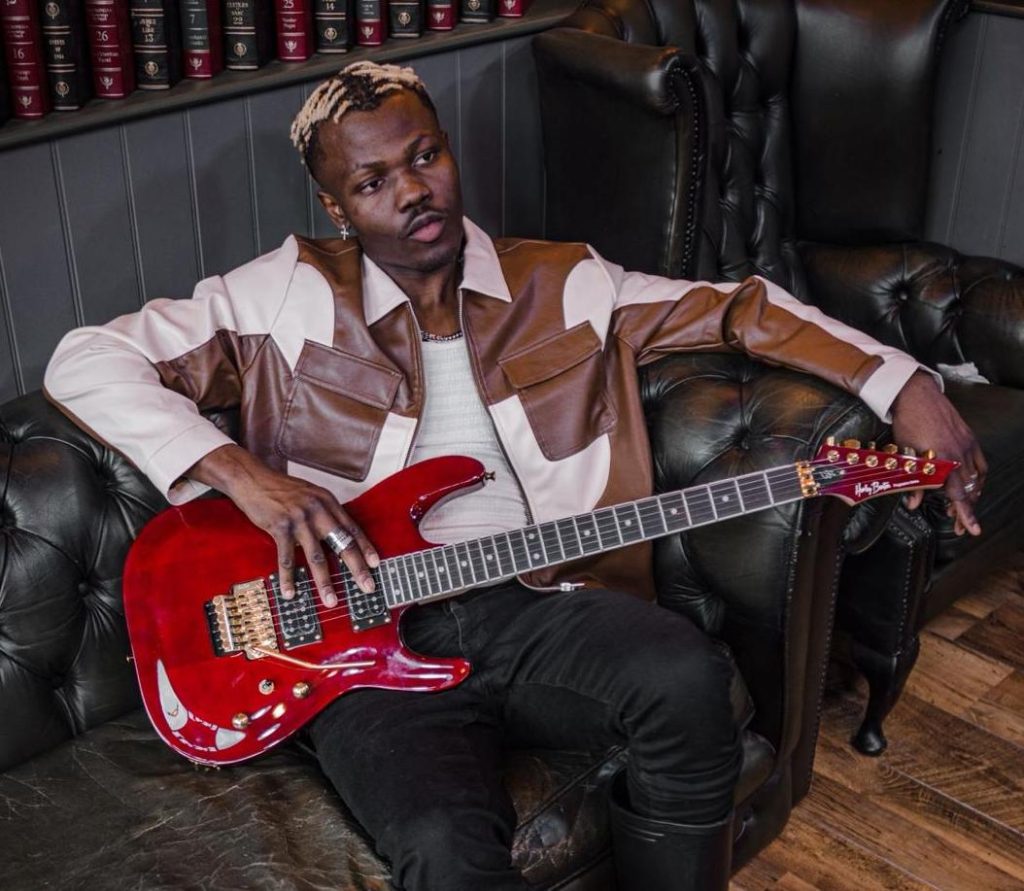
Playboy Kuti
What is a typical music day for you?
My process usually starts with a feeling. Sometimes it is a melody, sometimes it is a phrase, sometimes it is a rhythm, and sometimes it is just an emotion I cannot explain yet. Once I have the feeling, I start building around it. I think about the sound, the mood, the story and the performance. I ask myself what the audience should feel when they hear it or see me perform it. I am very interested in the world around the music, not just the song itself. For me, the final production includes the song, the visuals, the styling, the performance energy and the way the audience receives it. That is why my stage identity matters. The music is the centre, but the experience around it helps people remember it.
What would you say has been the most significant challenge you have experienced?
One of the biggest challenges has been building from scratch in a new country. When you move from Nigeria to the UK, you have to rebuild your network, your confidence, your understanding of the industry and sometimes even your sense of identity. Another challenge is being an African artist in spaces where people may not fully understand the depth of what you are trying to do. Sometimes people reduce African music to just dance or vibes, but for me, it is deeper than that. It carries history, emotion, rhythm, language and identity. I navigated these challenges by staying consistent, building relationships, performing wherever I could, learning from people around me and refusing to abandon my roots. I have also learned to use every platform as part of the journey, whether big or small.
If you had to pick a performing arts project that has had a major impact on your journey, which would it be?
My journey as Playboy Kuti means the most to me because it is personal. It is not just one song or one performance. It is the full process of becoming. My latest release, Terabyte, is important because it represents where I am now as an artist. It shows my direction: rhythmic, modern, African, performance-driven and confident. It reflects the kind of sound and energy I want to keep building. My performances also mean a lot to me because they allow people to experience the artist beyond the recording. On stage, I get to show the movement, fashion, energy and personality behind the music.
How do you think your performance has impacted audiences?
I think my work impacts people by giving them energy, confidence and a sense of cultural connection. When I perform, I want people to feel alive. I want African people in the audience to feel represented, and I want non-African audiences to feel invited into the sound and culture. Being part of Black music spaces in Wales has also shown me that visibility matters. When people see someone like me on stage, carrying African identity with confidence, it helps open space for others. My work contributes to the wider African and Black Welsh creative community because it shows that our stories, sounds and performances belong on serious platforms.
In what ways do you use music as a tool for connection and advocacy?
I use music to connect people across cultures. Music is one of the easiest ways to bring people together because people can feel rhythm before they even understand the words. As an African artiste in Wales, my creativity becomes a bridge between Nigeria, Wales, the UK and the wider diaspora. It allows me to represent my background while also contributing to the cultural life of where I live now. Creativity is also advocacy because it challenges invisibility. Every time I perform, release music or build my stage identity, I am saying that African voices, Black voices and diaspora stories matter.
What values or beliefs guide your creative practice?
Genuineness guides me. I believe people can feel when something is real. I also believe in courage, consistency and cultural pride. I want my work to be bold but still emotional. I want it to entertain people, but I also want it to carry identity and meaning. I believe artistes should not be afraid to create their own world, even if people do not understand it immediately. Another value that guides me is representation. I want to show that African creativity can be stylish, global, emotional, experimental and commercially powerful at the same time.
What misguided notions do people often have about musicians?
One notion is that performance is easy. People see the stage moment, but they do not always see the preparation, doubt, discipline, financial pressure, emotional work and consistency behind it. Another misconception is that Afropop or Afrobeats is only party music. Of course, it makes people dance, but it is also storytelling. It carries culture, emotion, memory, identity and ambition. People also sometimes think African artists are copying trends, when in reality African music is shaping global sound. We are not outside the conversation anymore. We are part of the centre.
What inspires you to keep going amid challenges?
My family, my roots and my vision keep me going. I think about where I came from, the people who believe in me, and the kind of future I want to build. I am also motivated by the feeling that I have not fully shown the world what I can do yet. There is still so much inside me creatively. Even when things are difficult, I know I am building towards something bigger. Music gives me a reason to keep moving. It reminds me that pain, pressure and uncertainty can still become art.
What are your hopes for the future of African creative expression globally?
My hope is to see Africa standing fully on the global stage. I do not only want to see African music performed across borders at major venues like Madison Square Garden and The O2; I also want to see stronger infrastructure around African touring, production and live performance so that artistes from around the world can also tour Africa properly. For me, the future should not only be Africa going out to the world. The world also needs to come to Africa and experience it properly — the stages, the audiences, the cities, the culture, the sound, the beauty and the energy. Africa is not just a source of rhythm or inspiration; it is a place with deep creative power, and the world needs to see Africa for the true beauty it is. I want African artists to keep reaching global audiences, but I also want us to stay connected to the truth of where the sound comes from. African creativity is not a trend. It is a powerful cultural force. I hope the future gives more space to African artists, performers, filmmakers, writers, producers and cultural leaders to tell our stories in our own way. I also hope that African creatives in the diaspora continue to build bridges between home and the world. There is so much power in that exchange.
What is one thing you would want your musical artistry to be remembered for?
I would want people to remember that I created from a real place; that I carried Lagos with me, built in Wales, and used music and performance to connect worlds. I want people to remember Playboy Kuti as an artist who brought energy, identity, emotion, and culture into every space he entered. More than anything, I want people to remember that I did not wait for permission to become myself.
Balancing stringed melodies, expressive depth and literary versatility: A review of Playboy Kuti
From the alluring street roots that Lagos represent to the throbbing zones of Wales, and across the global spaces of musical social media, Playboy Kuti is on the fast-rising lane to becoming a household name in the performing arts space, bringing a distinct beat to the world of rhymes, tempo, and sound delivery.
Known for fusing indigenous beats with pop vocals and street-percussion sound expressions, Playboy Kuti’s influence speaks to a driven sense of vision and impressive delivery quality, exuded through an enduring awareness of his roots and the possibilities that identity formation, memory, and culture extend through rhythm.
For Playboy Kuti, music calls and he responds with a necessary urgency, showing the world that when handled with precision and creative essence, globally-measured impact that foregrounds all-round development through performative talent, can come from properly crafted artistic tunes.
* Ajeluorou is a renowned Arts and Culture Critic, and a celebrated journalist in Arts, Culture, Lifestyle and Entertainment with many publications to his name including Igho Goes to Farm (children’s book), Libations for Africa (poetry) and Moonbeam (Ed)