Can AI ever be an author? Why legal personality matters in copyright law

By Raphael Christopher
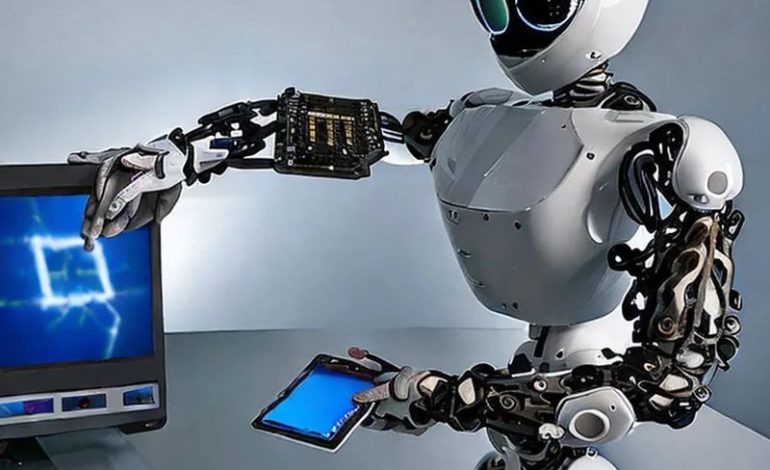
ARTIFICIAL intelligence can write novels, compose symphonies, generate artwork and draft legal documents with astonishing speed. As these capabilities grow, an intriguing question emerges: Can AI ever become an author in the eyes of the law?
The answer, for now, is no.
Authorship is more than the ability to produce words or images. It is a legal status attached to a person capable of owning rights, assuming responsibilities and enforcing obligations. Copyright law has never been concerned solely with creation; it is equally concerned with accountability.
An author can own copyright, license it, assign it, enforce it against infringement and be liable for misuse. Artificial intelligence can do none of these things. It has no legal personality. It cannot enter contracts, appear before a court, hold property or bear legal responsibility. It is therefore incapable of being recognised as an author under the traditional principles of copyright law.
Some argue that sufficiently advanced AI should eventually be granted legal personality, much as companies enjoy separate legal identity. While intellectually attractive, such a proposal raises profound legal and ethical questions. Unlike a company, which is ultimately governed by human directors and shareholders, AI has no independent moral agency, conscience or capacity to understand legal duties. Granting it authorship would require a fundamental rethinking of the relationship between rights and responsibilities.
This does not diminish the extraordinary value of AI. It is transforming education, medicine, engineering, law and the creative arts. Yet even the most sophisticated instrument remains just that—an instrument. A violin does not become the musician, nor does a computer become the programmer. Likewise, AI does not become the author simply because it generates expressive content.
As legislators grapple with the future of artificial intelligence, they must preserve the central purpose of copyright: to reward and encourage human creativity. AI should continue to enhance imagination, not replace the legal concept of authorship. Until the law says otherwise, authorship belongs not to the machine that generates ideas, but to the human mind that conceives, directs and ultimately gives them meaningful expression.
* Christopher is a legal practitioner and writer