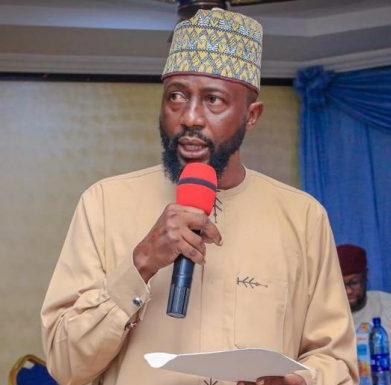
Nduka Otiono canvases integration of African knowledge systems with tech platforms


* DOU sets sights on global academic recognition, says VC, Aghalino
By Editor
A major highlight of the 1st International Conference of the Department of English and Literary Studies, Dennis Osadebay University, (DOU), Asaba, Delta State was the keynote address delivered by the Director of the Institute of African Studies, Carleton University, Ottawa, Canada, Prof. Nduka Otiono. In his presentation, he examined the relationship between African content creation and digital technology, stressing the need for a harmonious integration of African knowledge systems with modern technological platforms for the continent’s development. The conference had as theme ‘English Language and Literature in the Digital Era.’
Also, the Vice Chancellor of Dennis Osadebay University (DOU), Asaba, Delta State, Prof. Samuel Ovuete Aghalino, while welcoming guests to the conference, reaffirmed the institution’s commitment to global academic excellence, declaring that despite being a relatively young institution, the university is strategically positioned to achieve international recognition.
Aghalino made the declaration while formally opening the 1st International Conference of the Department of English and Literary Studies, held from June 23 to 25, 2026, at the 250-Capacity Hall of the university. The hybrid conference, which attracted participants from several institutions across the world both physically and virtually.
Addressing an audience comprising renowned scholars, keynote speakers, heads of departments, researchers and students, the vice chancellor described the conference as another milestone in the university’s journey towards academic distinction, emphasizing that DOU remains deliberate and focused in pursuing excellence.
“Our legs may be small, but our shoulders are broad,” Aghalino said, drawing applause from participants. “We are intentional about where we are going in terms of global reach, academic excellence and town-and-gown engagement.”
He explained that the university’s development agenda is anchored on three strategic pillars—academic excellence, international visibility and meaningful community engagement—which, according to him, will position the institution among globally recognised universities.
Aghalino further disclosed that the university was taking concrete steps to strengthen its international digital presence and global partnerships.
In his words to the keynote address presenter, Otiono, the VC said, “when you go back to Canada in the next week or two, everything about this university will be upgraded. You can Google DOU, and our visibility is going to shoot up,” expressing confidence that the institution’s online presence and international profile would soon experience significant improvement.

Prof. Nduka Otiono (left) and the Vice Chancellor of Dennis Osadebay University (DOU), Asaba, Delta State, Prof. Samuel Aghalino at the conference
The vice chancellor commended the conference organising committee, faculty leadership and keynote presenters for their dedication to advancing research and scholarship within the university.
He noted that academic conferences remain essential platforms for knowledge exchange, innovation and collaboration, adding that they contribute significantly to the university’s vision of producing globally competitive graduates and impactful research.
The conference, chaired by the Dean of the Faculty of Arts, Prof. Chimdi Madubuagu, commenced with the arrival of guests on 23 June and featured opening ceremonies, panel sessions, lead paper presentations and scholarly discussions over two days. Participants were treated to cultural performances and goodwill messages from the Chairman of the Conference Organising Committee, Dr. Henry Unuajohwofia, and the Head of Department, Dr. Peter Omoko.
Lead paper presenters, including Prof. Ogaga Okuyade of Niger Delta University and Prof. Felix Ogoanah of the University of Benin, explored the opportunities and challenges presented by digital technologies and artificial intelligence in language, literature and cultural studies. While advocating the effective use of digital tools, they also emphasized the continued importance of human creativity and critical engagement in scholarship.