Like Achebe, I inject a lot of cultural values in my writing, says Chiazor-Enenmor

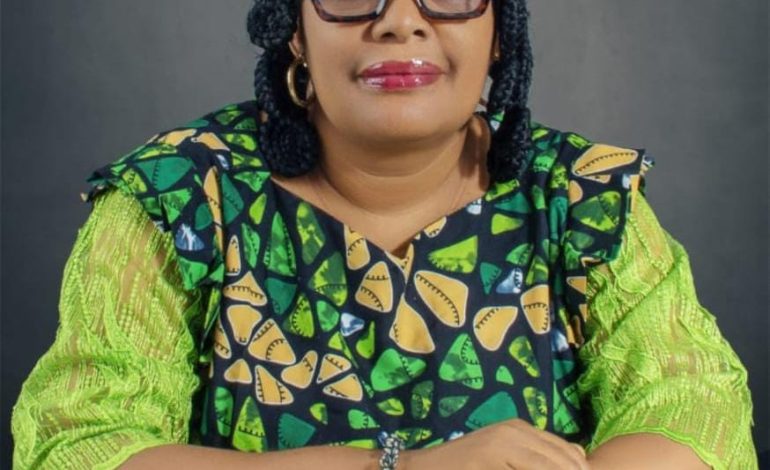
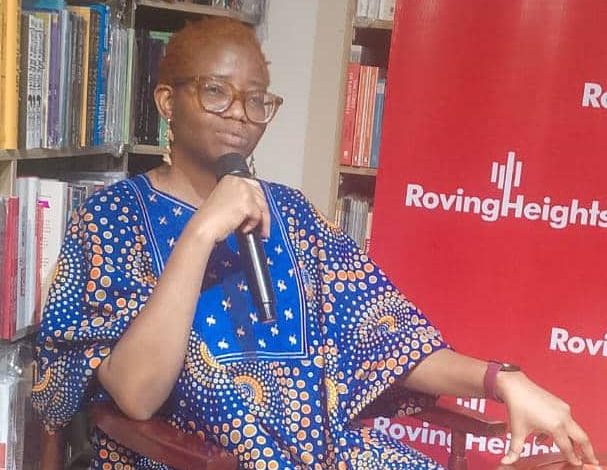
Ndidi Chiazor-Enenmor is the winner of the 2025 Chinua Achebe Prize for Literature and master storyteller renowned for her gripping narratives across novels, short stories, plays, young adult, and children’s literature. Her works have earned major recognitions, including A Father’s Pride, a finalist for the 2024 Nigeria Prize for Literature, and A Hero’s Welcome, longlisted in 2019. She won the ANA Prose Prize in 2022 for If They Tell the Story and the ANA Prize for Children’s Literature in 2009 for One Little Mosquito. Her latest novel, See Morocco See Spain, has been widely acclaimed as a literary masterpiece. Her play, A Harvest of Maggots, is set to be staged at several university campuses across Nigeria. Beyond writing, she is an environmental activist, children’s rights advocate, education consultant, and founder of the Walnut Book Club, through which she promotes literary engagement and advocacy. In this interview with ANA Interview Series, Chiazor-Enenmor speaks on her career, inspirations, and advocacy through literature
How did you feel when you received news that you’d won the Chinua Achebe Prize for Literature 2025
I felt very elated when my book, See Morocco See Spain, was announced as the winner of the prize. It was a truly joyful moment for me.
What does this particular award mean to you, especially given Achebe’s towering legacy in African literature?
This prize is quite significant to me because of the person of Achebe—a towering, world-renowned figure. You can’t talk about African literature without mentioning Chinua Achebe. He was a pioneer who left an enduring legacy.
What inspired the award-winning story, and what core message were you hoping to communicate?
Several factors inspired the book, including personal, altruistic, and general influences. The story had been burning in my heart for many years. One major inspiration is my cousin, who embarked on a perilous journey to Europe through the desert about 26 years ago and has remained unaccounted for. His story represents a wider crisis faced by many African families. Through See Morocco See Spain, I sought to highlight the dangers and consequences of illegal migration and to caution young people against making grave mistakes.
Achebe was known for moral clarity and cultural depth. How do these qualities influence your own storytelling?
Just like Achebe, I deliberately inject a lot of cultural values into my writing. I strongly believe in promoting the positive aspects of African culture so they are not overshadowed by foreign influences. My works reflect our Nigerian traditions, including marriage rites, festivals, and social systems such as the Igbo apprenticeship model. I write from firsthand experience and deep cultural knowledge, much like Achebe did.
Were there particular challenges you faced while writing this work, and how do you overcome them?
Every outstanding book comes with its challenges. I invested extensive time in research, interviews, and fact-checking. The emotional weight of the real-life stories was quite heavy, but my determination to tell these stories helped me overcome the challenges.
Your readers often praise your ‘gripping narrative style’. How do you develop your signature voice?
I believe storytelling should never be boring. Years of reading fascinating books shaped my style, and I am intentional about giving readers an unforgettable emotional experience that keeps them eager to turn each page.
What elements do you believe are essential for a story to resonate in today’s fast-paced world?
A strong opening, engaging dialogue, realistic themes, and a compelling plot are essential, especially in an era of shrinking attention spans.
How do you balance emotional intensity across different genres?
I always keep my audience in mind. Language and emotional depth differ across children’s books, young adult fiction, and adult novels, with particular care taken to end children’s stories with hope.

Ndidi Chiazor-Enenmor
How have awards and critical recognition shaped your growth as a writer?
I do not write because I want to win prizes, but when prizes and recognitions come, I celebrate them. They bring joy, validation, and encouragement to keep writing. A writer should always aspire to keep writing irrespective of prizes. I emphasise this because I have observed a pattern in Nigeria where some prize-winning books are nowhere to be found afterward—you don’t see them in bookstores. It’s as though the writers grabbed the prize and exited the stage. Winning a prestigious prize is not a destination; it should not mark the end of a writing career.
On the other hand, there are writers whose books made longlists or shortlists of major prizes, but because they did not emerge as winners, they stopped promoting the books. Writers should believe in their craft and promote their work whether they win a prize or not. This has become an ugly, familiar pattern. Some quietly write a book and submit it for a prize without any publicity. If the book does not make the list, that is the end of the story, and they move on to write another entry, hoping for better luck next time. You can’t grow that way. Prizes are good—in fact, we need more literature prizes in Nigeria—but writers must continue to hone their skills regardless. We must keep pushing boundaries and growing readerships. Don’t just think about prizes. Authors and publishers must truly wake up.
What conversations do you hope to A Harvest of maggots will spark among young audiences?
I hope it draws attention to issues of poor leadership, environmental degradation, and insecurity.
Do you see literature as a form of activism?
Absolutely. Literature is a powerful tool for advocacy and social change. My books address issues such as domestic violence, environmental degradation, children’s rights, and illegal migration.
What keeps drawing you tyo themes of family, identity and sociatal values?
The family unit is foundational to society. Instilling proper values at that level can significantly reduce societal ills, and I see it as my responsibility to explore these themes.
What draws you to writing for children?
I write for children to inspire them to be active participants in positive change. Stories can ignite action, and that motivates me.
What role do books clubs literary communities play today?
They are vital to sustaining reading culture, especially in the face of limited libraries and increasing technological distractions.
Which writers have most influcne on you?
Chinua Achebe, Elechi Amadi, Flora Nwapa, Buchi Emecheta, Lola Shoneyin, Ngũgĩ wa Thiong’o, and J. M. Coetzee, among others.
What should readers expect next from you?
I have just finished writing a young adult novel and a children’s book series. Currently, I am working on a collection of short stories, which I hope will be published in the coming year. I remain committed to greater support for book clubs and literary communities. Championing literature as a tool for social transformation will always be my goal.