LABAF 2026 opens with literary conversations, mentorship, call for social responsibility

By Nathaniel Olawoyin
THE 2026 edition of the Lagos Book & Art Festival (LABAF), organised by the Committee for Relevant Art (CORA), started on Monday, November 16, with a series of engaging activities featuring volunteer mobilisation, literary conversations, mentorship and a powerful presentation on child protection. Held under the theme “Repair: The Workover Starts Now,” the opening day’s programme brought together volunteers, literary enthusiasts, academics and members of the creative community to explore the role of literature and the arts in promoting critical thinking, social awareness and transformation.
The day’s activities began with an orientation session for CORA Youth Corps, followed by the third edition of CORA Literary Season, a mentoring session with Professor Tunji Azeez, and the presentation of a film and book project titled I Called Him Dad by Fatima Ishiaku.
The opening session, themed “Do Your Own Thing,” featured Associate Programmes Coordinator, Olakunle Fadairo, and senior volunteer, Noah Ibitoye, who encouraged volunteers to approach their responsibilities with enthusiasm, discipline, humility and a strong sense of personal ownership.
Fadairo outlined the festival’s Monday-to-Sunday programme schedule, emphasising teamwork, effective coordination and professional conduct in managing guests and fellow volunteers. He noted that their attitude and interactions would significantly influence the experience of visitors throughout the festival.
In his motivational address, Ibitoye challenged volunteers to reconsider their understanding of success and the energy they were to bring to their assignments. Using the reluctance of some volunteers to occupy the front seats despite arriving early as an example, he observed that people sometimes shy away from visibility, opportunities and the responsibilities that accompany success.
He encouraged them to maintain positive attitudes, manage their emotions and treat guests and colleagues with respect, regardless of challenging encounters. He also stressed the importance of focusing on individual responsibilities rather than monitoring the shortcomings of others.
Describing volunteering as a personal investment rather than an obligation, Ibitoye urged the team to develop the discipline and emotional resilience required to make their seven days of service meaningful and memorable.
The second session, CORA Literary Season 3.0, examined the relationship between literature, freedom, ideology and artistic expression, drawing on the works and critical perspectives of Emeritus Professor Femi Osofisan. The discussion centred on Literature and the Pressure of Freedom: Essays, with literary enthusiasts Kehinde Folorunsho and Lateef Odetunde as discussants, with Sodiq Adesokan as moderator.
The conversation opened with an examination of Osofisan’s representation of women in his literary works. Responding to a question on the subject, Odetunde identified Morountodun and Women of Owu as notable examples of works that portray women as influential figures, leaders and agents of social change.
The discussion subsequently explored the meaning of freedom, with Folorunsho arguing that genuine freedom extends beyond liberation from external restrictions. He emphasised the importance of maintaining an incorruptible sense of self and developing ideological consciousness as essential components of meaningful freedom.
The panelists also examined how readers’ experiences, exposure and social backgrounds influence their interpretation of literary works, raising questions about the distinction between an author’s intention and the ideological perspectives readers bring to a text.
Another issue addressed was the perceived undervaluation of the arts in Nigerian society. Folorunsho maintained that the transformative power of literature had yet to receive the recognition it deserved.
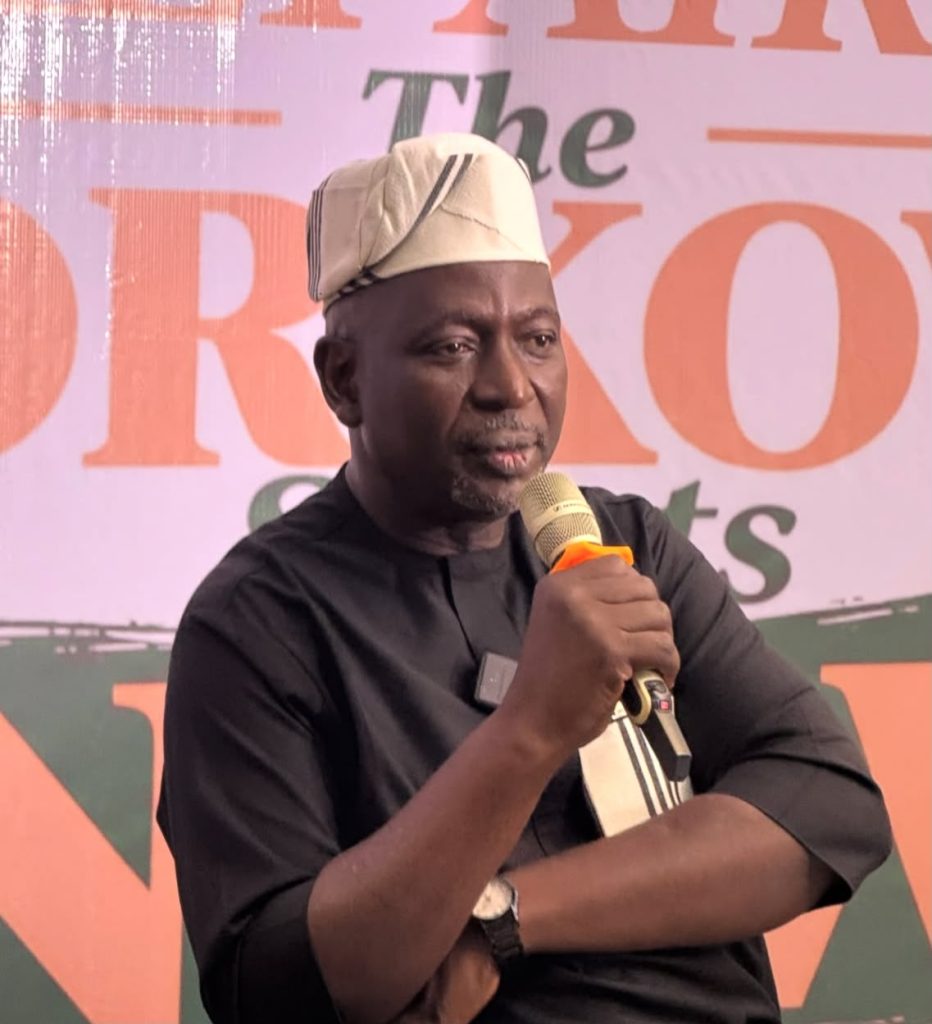
Prof. Tunji Azeez
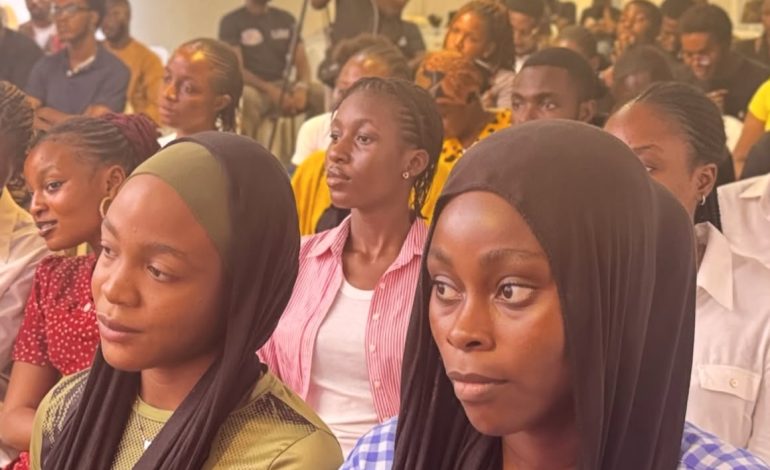
Towards the conclusion, the moderator raised the question of whether the use of Nigerian English and Pidgin English in literary expression represented creative freedom or linguistic deficiency. Odetunde defended their use as an expression of creative freedom, an argument that received visible approval from members of the audience.
The third session was a mentoring engagement facilitated by Professor Azeez, who continued the conversation around literature and the pressures of freedom, examining the relevance of literary works to contemporary social realities. The interactive session explored the audience’s familiarity with Osofisan’s works before Azeez drew connections between literature and contemporary issues, particularly gender equality and women’s contributions to leadership and society.
Referencing Osofisan’s Women of Owu and Morountodun, he examined how the playwright’s representation of women provides an opportunity to reflect on their strength, leadership capacity and place in society. He also emphasised the importance of making such literary works accessible to a wider readership, noting that their significance extends beyond artistic expression to the social questions and perspectives they offer.
Professor Azeez commended LABAF for sustaining a platform that promotes reading culture and encourages intellectual engagement, particularly among young people. His contribution reinforced the importance of literature as a tool for understanding society and stimulating meaningful conversations about social change.
One of the most emotionally significant presentations of the day was the unveiling of I Called Him Dad, a film and book project by Fatima Ishiaku. Presented as a personal account of survival and healing, the project advocates for the protection of both girls and boys against sexual abuse in Nigeria and across Africa.
The presentation featured a screening of the film, which was followed by an interactive session with the audience. Through her story, Ishiaku recounted experiences of childhood sexual abuse that began before she turned seven and continued until she was fourteen. The screening left members of the audience visibly moved, prompting questions about her healing process, forgiveness and decision to tell her story publicly.
One question particularly explored whether she had forgiven her abuser and why she continued to retain his name. Responding to the audience, Ishiaku cautioned against responding to her experience with pity, stressing that her decision to share her story was driven by the need to create awareness. Her response brought a moment of relief to the emotionally charged atmosphere and redirected attention towards the importance of advocacy and prevention.
The presentation highlighted the devastating consequences of childhood sexual abuse and the need to confront the silence, stigma and fear that often surround such experiences. It also demonstrated the capacity of storytelling and artistic expression to amplify survivors’ voices and encourage conversations about safeguarding children.
From the mobilisation of volunteers to critical conversations on freedom, gender representation and the social responsibility of literature, the first day of LABAF 2026 established a strong foundation for the festival’s subsequent engagements. The presentation of I Called Him Dad further brought the day’s conversations into the realm of social advocacy, demonstrating how books and the arts can confront difficult realities and inspire meaningful change.
As preparations advanced towards the festival’s opening ceremony, the day’s activities offered an early reflection of the central message of this year’s theme, Repair: The Workover Starts Now: that rebuilding society requires collective responsibility, critical engagement and a willingness to confront the issues that demand change.