
ANA calls for urgent action on insecurity, writers’ welfare

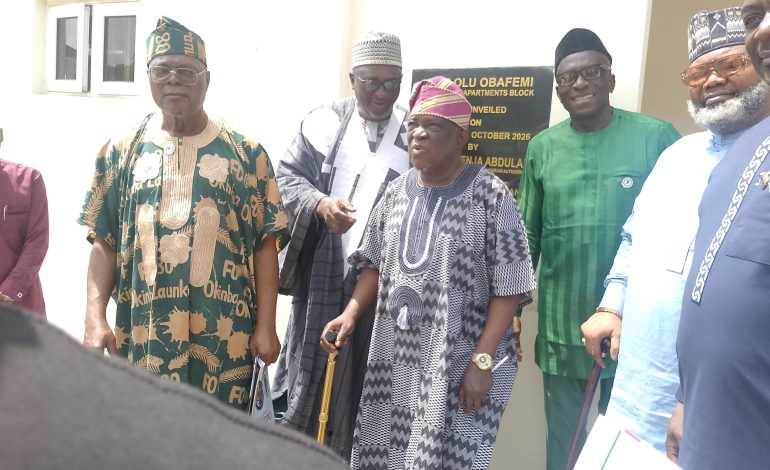
By Godwin Okondo
THE Association of Nigerian Authors (ANA) has called on the federal and state governments to do more to address insecurity, revive the country’s declining reading culture and improve the welfare of writers, stressing that literature has an important role to play in shaping national conversations and addressing societal challenges.
The association also wants the Federal Government to establish a more structured relationship with the literary community, including formally recognising ANA and involving it in the National Council on Education and the National Council on Culture.
These demands were contained in a communiqué issued at the end of the association’s 45th International Convention, held at the Mamman Vatsa Writers’ Village, Mpape, Abuja, from October 29 to November 1, 2026. Held under the theme, “Literature, National Security and the Place of Nigeria in the World,” the convention brought together writers, scholars, publishers, cultural advocates, government representatives and delegates from ANA state chapters to examine the place of literature in national development and Nigeria’s global image.
In the communiqué, the association expressed concern over the persistent insecurity in the country, arguing that writers must use their creative works to promote peace, national unity, responsible citizenship and social transformation.
It also challenged Nigerian writers to remain committed to their responsibility of speaking truth to power, confronting injustice and engaging with issues affecting the country rather than retreating from difficult national conversations.
Beyond the security concerns, ANA drew attention to what it described as the poor economic conditions of Nigerian writers, calling for better welfare, stronger copyright protection, transparent royalty systems and more sustainable funding opportunities.
The association noted that many authors remained insufficiently aware of their intellectual property rights and the opportunities available to them through the Reproduction Rights Society of Nigeria (REPRONIG) and the Nigerian Copyright Commission (NCC).
It therefore urged its members to register with the organisations, upload their works to the appropriate platforms and take advantage of available opportunities for copyright protection and royalty collection.
The declining reading culture also featured prominently in the convention’s deliberations. ANA called for greater investment by government and the private sector in literary development, publishing and access to books.
It recommended more literary festivals, book exhibitions and reading campaigns as part of efforts to rekindle interest in reading and make books more accessible to Nigerians. The association also expressed concern about the limited collaboration between ANA and the Federal Ministries responsible for culture and education, particularly in the formulation and implementation of policies affecting literature, education and the creative industry.
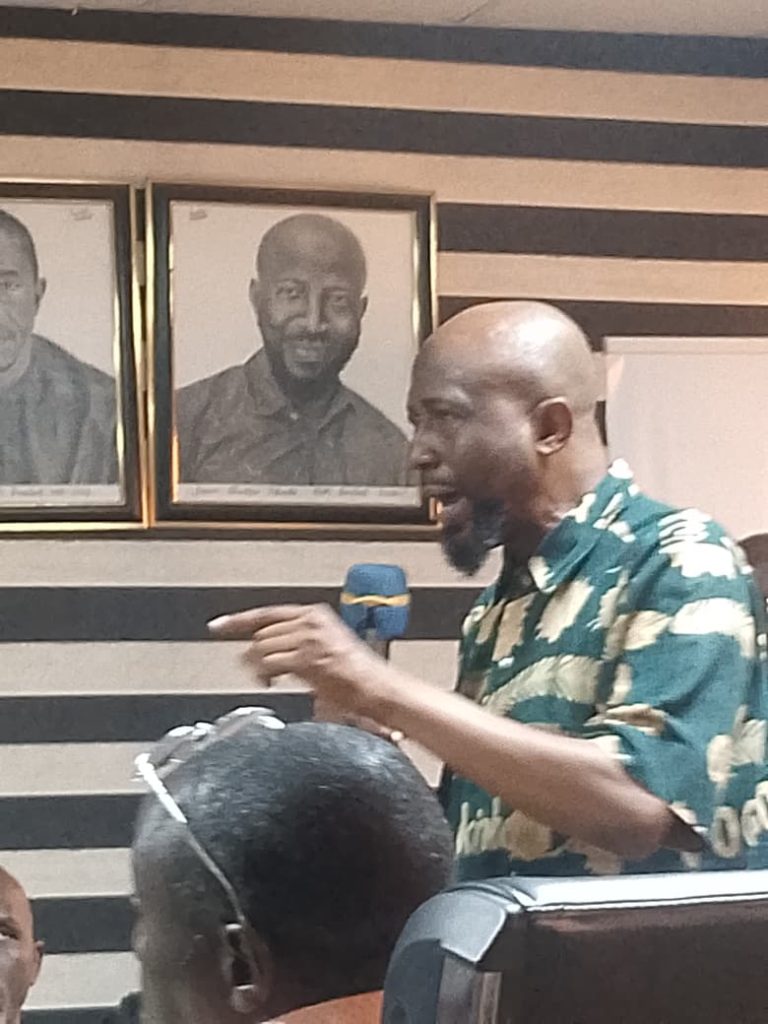
ANA President, Dr. Usman Oladipo Akanbi
It called on the Federal Ministry of Art, Culture, Tourism and the Creative Economy and the Federal Ministry of Education to establish lasting partnerships with the association.
Such collaborations, it said, should go beyond occasional engagements to include literary development programmes, grants, fellowships, writers’ residencies and reading initiatives that would strengthen the literary sector and improve the welfare of writers.
ANA further argued that writers should have a place at the table whenever national policies on education and culture are discussed. It consequently called for its formal inclusion in the National Council on Education and the National Council on Culture, saying this would ensure that the interests and contributions of the literary community were properly represented.
On the growing influence of technology, the association acknowledged the opportunities and challenges presented by digital publishing, artificial intelligence and online piracy.
While encouraging writers to embrace emerging technologies, it cautioned them against compromising originality, authenticity and professional integrity. It also pledged to continue providing training in digital publishing, copyright protection and emerging literary technologies.
The convention also examined how Nigeria is presented to the international community, with ANA calling on writers and cultural institutions to promote a more balanced national narrative that reflects the country’s cultural heritage, intellectual achievements and human potential without ignoring its challenges.
The four-day gathering featured capacity-building workshops, a Festival of Life, a keynote address delivered by Professor Mahfouz Adedimeji, panel discussions, a book exhibition, a convention play, project commissioning, awards and the association’s Annual General Meeting.
At the close of the convention, ANA urged its members to remain united and committed to the ideals upon which the association was founded.
It reaffirmed its belief that literature remains essential to national development, intellectual freedom, cultural preservation, social accountability and the country’s renewal.