CORA@35: LABAF 2026 celebrates decades of artistic expression, cultural advocacy, literary engagement

By Nathaniel Olawoyin
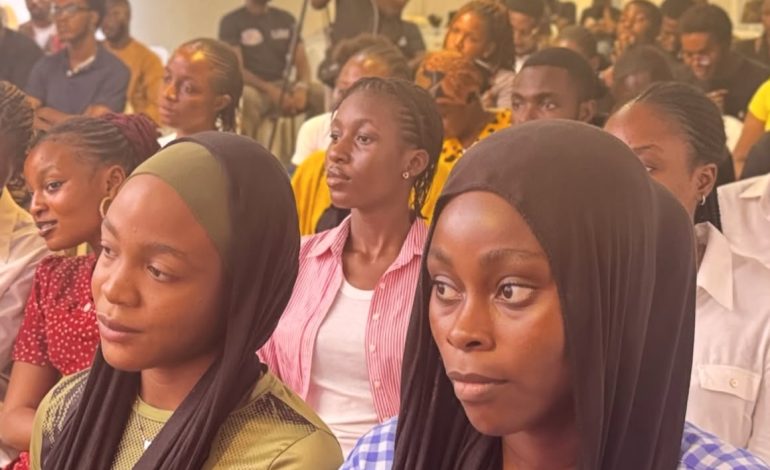
THE 2026 Lagos Book & Art Festival (LABAF), organised by the Committee for Relevant Art (CORA), marked a significant milestone on Monday, November 16, with a commemorative opening ceremony celebrating 35 years of the organisation’s contribution to Nigeria’s literary, artistic and cultural landscape. Held at Freedom Park, Lagos, where the week-long festival runs from November 16 to 22, the ceremony was themed “CORA@35: The Past, The Present, The Future.” It brought together founding members, board members, cultural practitioners, volunteers and members of the creative community to reflect on the organisation’s history, acknowledge the individuals who have sustained its vision and consider its place in the future of Nigeria’s cultural development.
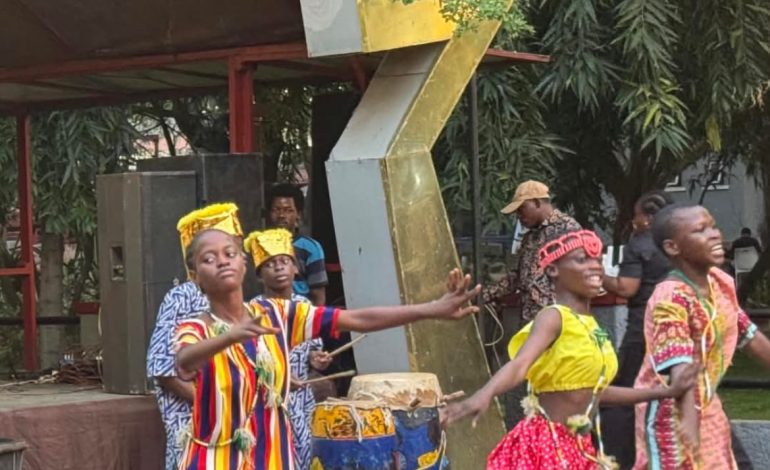
Founded on June 2, 1991, CORA has evolved from a modest gathering of art enthusiasts into an enduring platform for literary conversations, artistic expression and cultural advocacy. The anniversary celebration provided an opportunity to revisit the circumstances surrounding its establishment and recognise the collective contributions that have sustained its activities across generations. The day’s activities commenced at the Food Court Stage of Freedom Park, where a series of musical, dance and poetry performances provided an artistic introduction to the celebrations ahead of the formal ceremony at Esther’s Revenge Hall, also within the park.
The Africana Band, Kings and Queens Art Academy, Star Kids and poet Victory Ashaka were among the performers who entertained guests, establishing an atmosphere of artistic expression and celebration before the anniversary proceedings officially began. The performances reflected the multidisciplinary character of LABAF, bringing together music, dance, poetry and youth creativity as part of the festival’s broader commitment to the arts.
To formally open this year’s festival, Chairman of CORA Board of Directors, Chief Kayode Aderinokun, reflected on the organisation’s beginnings, describing its establishment as an ambitious idea initiated by Mr. Toyin Akinosho and other founding members. He noted that the organisation had successfully passed through four generations, sustained largely by commitment, resourcefulness and the contributions of volunteers.
Aderinokun acknowledged that although LABAF is widely associated with books and literary activities, its programming has consistently extended to stage performances, open mic sessions and poetry slams. He highlighted the organisation’s ability to mobilise more than 60 volunteers from different parts of Nigeria over the years, despite operating with limited resources.
He also acknowledged the influence of distinguished figures within the cultural community, particularly Nobel laureate Professor Wole Soyinka, whose presence and intellectual contributions have helped inspire the organisation’s continued commitment to the arts. He concluded his remarks with acknowledgements to distinguished guests, including the Erelu of Lagos, Princess Abiola Dosunmu.
The anniversary celebration subsequently shifted towards recognising the individuals whose contributions have shaped CORA’s history. Culture communicator and CORA Programme Chair, Mr. Jahman Anikulapo, invited available founding and board members and volunteers to the stage for recognition. Among the founding members acknowledged were Pastor Tunde Lanipekun, Jossey Ogbuanoh and Toyin Akinosho while Chika Okeke and Yomi Layinka were also recognised, with the former in the United States and the latter participating online. Members of the board, including Femi Odugbemi, Sola Alumutu, Ben Tomoloju, Theo Lawson, Chris Ihidero and Iyabo Aboaba, were equally invited to join them.
The volunteers were also called forward and received applause from the audience in recognition of their contributions to the festival’s continued success.
In a moment of humour, Anikulapo recalled his initial encounter with CORA, revealing that he had attended one of its earliest programmes intending to criticise the organisation. He recounted writing an unfavourable report for The Guardian under the editorship of Mr. Tomoloju. However, following a challenge from Akinosho to join the organisation if he believed he could do better, Anikulapo eventually became its programme director.
The anecdote drew laughter from the audience, offering a glimpse into the relationships, experiences and unconventional beginnings that have shaped CORA over the years.
One of the major highlights of the ceremony was Mr. Akinosho’s address. As CORA’s founding figure, he provided an account of the circumstances that led to the organisation’s establishment. According to him, CORA began as a modest initiative involving a small circle of friends and extended family members who wanted to create a space for conversations about the state of the arts, particularly following the collapse of the Soviet Union.
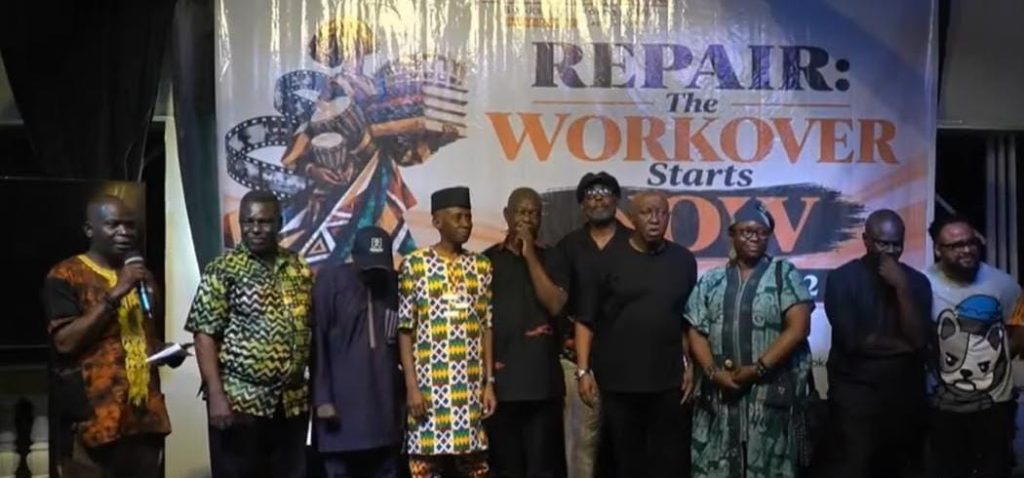
Founding members of Committee for Relevant Art (CORA) at its 35th anniversary celebration at Lagos Book and Art Festival 2026 edition at Freedom Park, Lagos
He recalled that the organisation’s first programme was named ART STAMPEDE, a suggestion attributed to Jossey Ogbuanoh. He also acknowledged the contributions of other founding members, including Lanipekun, who provided a substantial portion of the funding required for their early activities from his earnings as an art columnist with Evening Times. Layinka served as the organisation’s first president.
Akinosho further explained that the initial gatherings were intended to take place quarterly, providing an informal platform for discussions about developments in the arts. He recalled Ogbuanoh’s suggestion that palm wine and groundnuts would be sufficient refreshments for their meetings, an anecdote that has since become part of CORA’s founding folklore.
However, the founders wanted their gatherings to extend beyond intellectual discussions. Their early plans included performances by established artists, although some of the proposed performers did not eventually participate. Students were subsequently encouraged to perform, following a suggestion by filmmaker, Mr. Tunde Kelani.
Reflecting on the organisation’s eventual transition towards literacy advocacy and the establishment of a literary festival, Akinosho emphasised the relationship between literacy and democratic participation.
“For people to contribute to democracy, they must be literate,” he noted, explaining the thinking behind CORA’s decision to establish a literacy festival following Nigeria’s transition to democratic governance, His account offering an insight into how an informal gathering of art enthusiasts gradually developed into an organisation with a broader commitment to literacy, cultural participation and artistic development.
The historical reflections continued with contributions from Lanipekun, who designed CORA’s logo, and Jossey Ogbuanoh, both of whom shared personal accounts of the organisation’s formative years. Lanipekun began his remarks with a humorous reference to Akinosho’s personality before reflecting on their longstanding friendship and the experiences that informed CORA’s establishment.
Ogbuanoh also revisited the organisation’s early history, acknowledging the contributions of its members and commending Mr. Anikulapo for his role in sustaining its activities. He urged CORA to take a more active position in policy conversations, particularly by making recommendations to government and ensuring that its contributions are recognised in the country’s cultural and intellectual development.
The reflections were further enriched by contributions from CORA’s first president, Mr. Layinka, alongside Mr. Odugbemi, Alumutu, Segun Adefila, Seyi Solabade and Tomoloju, who offered perspectives on the organisation’s evolution and the individuals responsible for its continued growth, with Odugbemi emphasising the importance of institutional documentation, urging CORA to preserve its experiences and milestones through systematic record-keeping. He noted that documenting the organisation’s history would help safeguard its institutional memory for future generations.
Alumutu, who disclosed that she had worked with CORA for 21 years, recounted how her involvement began through the organisation’s children’s programme. Her interest in the initiative eventually led to a collaboration that contributed to the emergence of the Green Festival, an extension of CORA’s engagement with young audiences and environmental awareness.
The contributions collectively underscored the importance of continuity, collaboration and institutional memory in sustaining cultural organisations.
The artistic dimension of the anniversary ceremony was further highlighted by performances that brought music, poetry and dance into the celebration. One of the memorable moments came from Imo-Trump, a young female trumpeter whose impressive command of the instrument captivated attendees. Her spirited performance brought an energetic musical dimension to the proceedings, drawing admiration from the audience and reinforcing the festival’s celebration of emerging artistic talent.
Representing the Guild of Nigerian Dancers (GOND), Hillary Jackson Dance World also delivered an electrifying and nostalgic dance performance. The presentation added another layer of artistic expression to the anniversary celebration, earning the admiration of guets and demonstrating the enduring place of dance within Nigeria’s creative landscape.
Following the conclusion of the formal opening at Esther’s Revenge Hall, the celebrations continued at the Food Court Stage, where the Africana Band returned to entertain guests. Their performance sustained the festive atmosphere as attendees gradually departed, bringing the day’s activities to a lively close.
CORA@35 celebration was more than an anniversary gathering. It brought together the memories, relationships, creative contributions and institutional experiences that have sustained the organisation for 35 years, while raising important questions about documentation, cultural policy and its responsibilities to future generations.
From the founding members who established the organisation to the volunteers, young performers and cultural practitioners who continue to contribute to its programmes, the celebration illustrated the importance of collective commitment in sustaining cultural institutions.
As LABAF 2026 continues at Freedom Park, Lagos, through November 22, the anniversary celebration provides a significant historical context for this year’s festival, reaffirming CORA’s enduring commitment to literature, artistic expression and the development of Nigeria’s cultural landscape.