J. Randle Centre hosts writers’ retreat ahead of YAANGA Journal launch

By Editor
THE J. Randle Centre for Yorùbá Culture and History will host a fortnight-long writers’ retreat convening 28 emerging cultural storytellers and thinkers from across Nigeria to document contemporary Nigerian culture across disciplines. The retreat, convened under the visionary leadership of choreographer and Centre Director, Qudus Onikeku, will be led by writer and editor Oris Aigbokhaevbolo.
Conceived as a space for reflection, reporting, and critical conversation, the retreat—held alongside Afropolis 2026— will focus on key cultural fields including visual arts, literature, performance, urban culture, pop music, and film. Participants will pitch and produce essays, reportage, reviews, and other forms of cultural writing that will form the foundation of the inaugural edition of YAANGA, a new culture journal dedicated to documenting the dynamism of Nigerian creative and cultural life.
“We want the J. Randle Centre to function as a living space for culture and memory,” said Onikeku. “By bringing writers into close exchange with practitioners across disciplines, we’re building a record of creativity that reflects the vitality of culture in Lagos, in Nigeria and in the Diaspora today.”
The programme will feature guest visits and conversations with leading figures across Nigeria’s cultural landscape, including film director Kunle Afolayan, curator and arts advocate Jumoke Sanwo, rapper Vector, screenwriter Lani Aisida, writer, essayist and public intellectual OluTimehin Kukoyi, publisher Othuke Ominiabohs of Masobe Books, as well as photographer and Director-General of the Center for Black and African Arts & Civilisation (CBAAC), Aisha Adamu Augie.
Aigbokhaevbolo noted that the retreat is designed to deepen homegrown documentation and interrogation of Nigeria’s fast-moving cultural moment. “Nigerian culture moves quickly, and too much of it passes without proper recording or interrogation by our own people,” he said. “YAANGA is being built as a platform for those records. This retreat equips selected participants to write with clarity, depth, and ambition—and to help shape a sustained cultural archive.”
According to the organisers, YAANGA will be a free, widely distributed quarterly publication, with subsequent editions planned before year-end. Each issue will feature around a dozen original pieces on Nigerian culture—spanning criticism, reportage, and long-form storytelling—alongside contributions in photography and graphic/art design.
“We see YAANGA as an ongoing project,” Onikeku added. “Our culture never stops moving or evolving. Documenting it should be just as continuous.”
The J. Randle Centre for Yorùbá Culture and History is Lagos’ premier cultural institution dedicated to the preservation, activation, and contemporary reimagination of cultural heritage through exhibitions, research, public programmes, and cultural production.
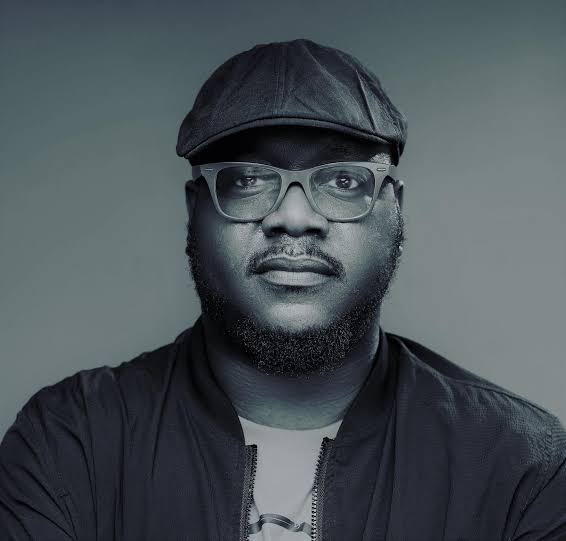
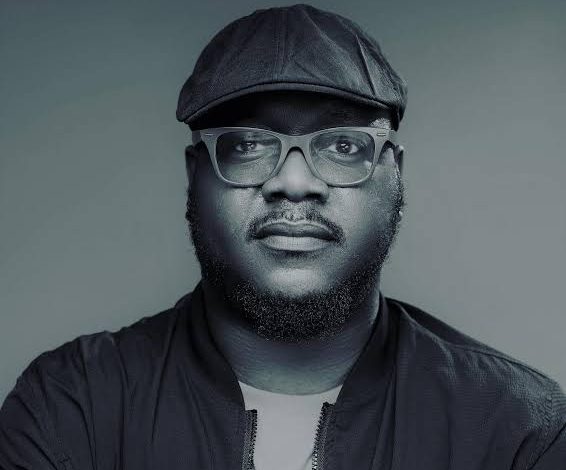
Oris Aigbokhaevbolo