Kolawole urges African publishers to rethink trade books, close gaps in global rights negotiations skills


By Godwin Okondo
THE Managing Director and Chief Executive Officer of Ibadan-bsed University Press Plc, Samuel Kolawole, said African publishers must strengthen their capacity for negotiating and selling publishing rights if they are to take fuller advantage of the global market and unlock new streams of income.
Kolawole, who made the call in a paper presented at the African Publishers Network (APNET) webinar for publishers on September 1, 2026, said African publishers have traditionally been more active as buyers of rights and licences from foreign publishers than as sellers of the rights to works produced on the continent.
The imbalance, he suggested, has left African publishers lagging behind their counterparts in other parts of the world in exploiting one of the potentially lucrative areas of modern publishing. A focus entirely on textbook publishing by African publishers, he suggested, has diminished their opportunity to sell rights globally since textbooks do not count for much as rights to be sold to global audiences.
“For many years publishers have focused on publishing the works of their authors and faced the challenge of reach across the world to market these works,” Kolawole said. “The opportunities that lie in selling the rights granted to them by authors or the opportunities of selling rights on behalf of their authors were not fully tapped.”
He noted that publishers across the world had moved ahead in profitably exploiting rights transactions while the situation in Africa had not changed significantly. The veteran publisher, however, blamed the textbook publishing model most AFrican publish exclusively engage in as limiting their potential to sell rights to other publishers in the global arena.
Mr. Kolawole inadvertently challenged his colleagues in the publishing industry on rethinking their publishing model in favour of trade books, mostly fiction titles and books on history and culture. He said while it’s possible for a Nigeria publisher to sell textbook rights to another publisher in Ghana and Liberia that share similar examination body with Nigeria, it is impossible to sell similar rights to a publisher in Germany or Canada and outside the Africa continent. But by the same token, foreign publishers can sell textbook rights to Africa but not in the reverse direction.
He also urged his colleagues to develop the confidence, technical knowledge, negotiation skills and international networks required to take African stories, histories, cultures and ideas into other languages, territories and formats.
The first major area in which African publishers need to catch up, therefore, is the ability to identify rights as commercial assets rather than merely as legal permissions attached to a publishing contract.
According to Kolawole, publishing agreements can grant publishers different levels of rights, including the right to publish in a specific format, language and territory; the right to publish in a specified language worldwide; or even the right to publish in any language and format worldwide.
However, having acquired such rights is not enough. Publishers must understand the extent of the rights they possess and whether they have the authority to license those rights to other publishers.
A publisher may, for instance, have worldwide rights to a book but lack the capacity to publish and distribute it effectively across every territory or in every language. Such rights can become commercially valuable when licensed to publishers in other markets for translation, electronic editions or other formats. This points to another area of weakness: rights negotiation at the point of signing agreements with authors.
Kolawole stressed the importance of clearly agreeing on the rights an author is granting to a publisher. African publishers who fail to negotiate sufficiently broad or clearly defined rights at the beginning may later find themselves unable to exploit translation, territorial or format opportunities when foreign interest emerges.
The presentation also highlights the need for African publishers to become more familiar with the variety of rights available for negotiation. These include copyright, translation rights, territorial rights, electronic publication rights, adaptation rights for stage and plays, serial rights, reprint rights, book club rights and branding rights.
Developing the ability to separate and negotiate these rights could help publishers move beyond the traditional practice of producing and selling a single edition of a book within a limited market.
Kolawole said opportunities exist for African publishers to sell rights to books in areas such as history, politics, culture and fiction to publishers around the world. Properly exploited, he said, such transactions could significantly boost publishers’ revenues while also generating foreign exchange for both publishers and authors. But exploiting those opportunities will require African publishers to improve their rights negotiation skills.
Among the practical areas identified in the presentation are the need to negotiate appropriate rights, understand pricing, resist undue pressure during negotiations and carefully read contractual terms.
The warning to “read the small prints” is particularly significant in an industry where a poorly negotiated clause can determine who controls a work’s translation, digital, territorial or adaptation rights.
Publishers also need to become more cautious about acquiring rights they cannot realistically exploit. Kolawole advised them to “buy only what you can actualise,” a principle that also has implications for negotiations with foreign rights holders.

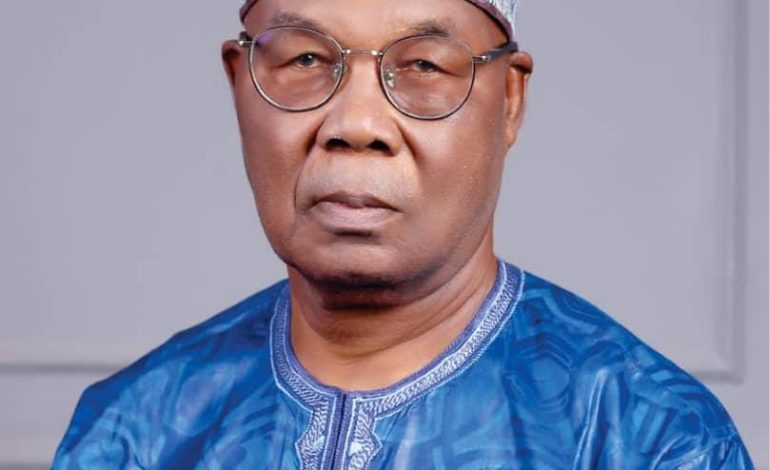
MD, University Press Plc, Mr. Samuel Kolawole
African publishers, he observed, are already well known as buyers of rights, particularly for domestic publication of books. The practice has helped lower entry barriers by allowing publishers to obtain licences rather than bear the full cost and lengthy process of developing publications from scratch.
As a result, publishers from around the world often see African publishers primarily as potential buyers, especially for school books and old classics.
Kolawole’s presentation, however, suggests that African publishers must begin to change that perception and position themselves more strongly as exporters of intellectual property.
That will require greater exposure to international rights markets. Publishers were advised to attend book exhibitions, where rights negotiations and meetings with publishers, agents and other industry players can open opportunities that may not be available through ordinary book sales channels.
The use of rights agents is another area in which publishers may need to develop greater sophistication. Agents can help identify markets, connect rights holders with potential buyers and provide expertise during negotiations.
Equally important is the preparation of rights catalogues. A publisher cannot effectively sell rights internationally if potential buyers are unaware of the books available or the rights attached to them. A well-prepared catalogue can help present titles to foreign publishers and clearly indicate opportunities for translation, territorial publication and other licensing arrangements.
Kolawole also stressed the importance of record-keeping, trust and integrity—factors that can be decisive in long-term international publishing relationships.
Ultimately, he said, buying and selling rights and licences provides publishers and authors with additional streams of income from copyright. Yet while many African publishers are already involved in buying rights and obtaining licences from foreign publishers, relatively few are actively selling rights and granting licences. That gap represents both a weakness and an opportunity.
For African publishing to compete more effectively in the global knowledge economy, publishers may need to move beyond seeing themselves largely as consumers of foreign intellectual property. They must also develop the confidence, technical knowledge, negotiation skills and international networks required to take African stories, histories, cultures and ideas into other languages, territories and formats.
As Kolawole concluded, the opportunity is there, but exploiting it will require “care and tact,” particularly in the agreements publishers enter into and the way those agreements are negotiated. African publishers, he said, must build greater knowledge in the field if they are to fully tap the opportunities presented by rights and licences.