
WTD 2026: Theatre, a culture of peace


By Makinde Adeniran
DISTINGUISHED colleagues, revered elders of our craft, cultural administrators, members of the press, and lovers of the theatre! Today, as we join the global community to celebrate World Theatre Day, we do so under a deeply reflective domestic theme declared by our headquarters: “Theatre: A Culture of Peace.”
Peace is not merely the absence of conflict. Peace is the presence of justice. Peace is not silence. Peace is the assurance that voices are heard. Peace is not decoration. Peace is structure.
Theatre, by its very nature, is a sacred space of dialogue. From the village square to the modern proscenium, from ritual performances to contemporary political drama, Nigerian theatre has always mediated tension, interrogated power, healed communities, and preserved memory. Theatre creates peace because it allows society to see itself — truthfully and courageously.
However, we must ask ourselves an uncomfortable question: Can theatre truly serve as a culture of peace when its own practitioners live without peace of mind?
Today, many Nigerian theatre practitioners work under enormous strain — economic uncertainty, infrastructural decay, policy inconsistency, and institutional neglect. The creative industry is celebrated in speeches, yet insufficiently supported in structure.
Nowhere is this contradiction more symbolic than in the operations surrounding the National Theatre, Lagos, Nigeria.
The National Theatre is not merely a building of concrete and steel. It is a national cultural monument — a spiritual and artistic home for generations of practitioners. It represents our collective artistic memory. It should be the epicenter of creative peace, artistic innovation, and professional dignity.
Yet, practitioners continue to express concern about how the institution is being administered under its new board. Transparency must be strengthened. Engagement with practitioners must be institutionalized. Programming must reflect national artistic inclusion. Access must be fair and not prohibitive. Cultural governance must be participatory, not distant.
Peace in theatre practice requires functional rehearsal spaces; affordable performance venues; clear administrative policies; access to funding; inclusion in decision-making processes; and respect for professional bodies.
When these are absent, anxiety replaces creativity. Uncertainty replaces innovation. Silence replaces collaboration. And silence, as we must say today, has become numbing.
The creative industry is one of Nigeria’s most powerful soft-power assets. Our theatre feeds into film, television, music, festivals, education, and diplomacy. It builds youth engagement. It shapes narratives. It sustains identity.
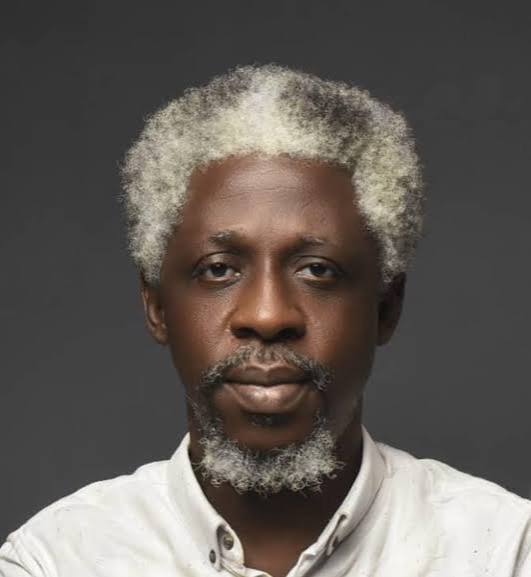
Makinde Adeniran
We therefore respectfully call on the administration of President Bola Ahmed Tinubu to give deliberate and urgent attention to the Federal Ministry overseeing culture and the creative economy.
The Ministry must not merely exist — it must function. Policies must not merely be announced — they must be implemented. Boards must not merely be inaugurated — they must be accountable. Government support for theatre is not charity. It is nation-building. It is peace-building.
A theatre sector that is structurally supported produces employment for youth; cultural diplomacy for the nation; social cohesion across ethnic divides; platforms for civic education; and safe spaces for dialogue in times of tension.
If theatre is a culture of peace, then government must become a partner in cultivating that peace.
NANTAP stands not as an adversary, but as a stakeholder. We extend our hand in collaboration. We ask for structured dialogue between practitioners, the National Theatre management, and the supervising ministry. We ask for policy clarity. We ask for transparent frameworks that protect the interests of artists and investors alike.
We envision a National Theatre that is alive daily — not occasionally. We envision a system where practitioners do not beg for access to their own cultural home. We envision a Nigeria where artists create without fear, without undue financial strain, and without administrative opacity.
Peace in theatre practice is not abstract. It is practical. It is budgeting. It is infrastructure. It is consultation. It is respect.
On this World Theatre Day 2026, under the banner “Theatre: A Culture of Peace,” we recommit ourselves as practitioners to ethical practice, artistic excellence, and national unity. But we also insist — respectfully and firmly — that peace must begin within the structures that govern us.
May our stages continue to illuminate truth. May our voices continue to echo with courage. May our institutions rise to reflect the greatness of our artists.
Long live Nigerian theatre. Long live NANTAP.
* A statement by the President of National Association of Nigerian Theatre Arts Practitioners (NANTAP), Mr. Adeniran Makinde