UVA raises alarm over rising censorship, artistic freedom violations in Nigeria

By Godwin Okondo
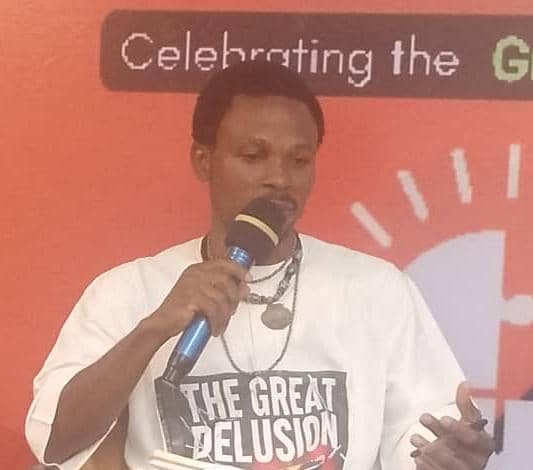
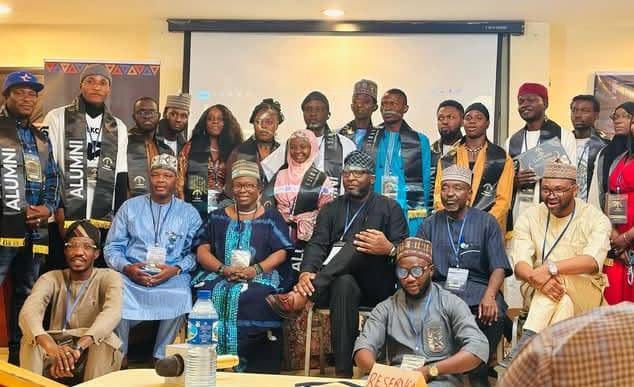
THE third edition of the Freedom Vibes Summit, organised by Unchained Vibes Africa (UVA) and held in Kano, has raised fresh concerns over what stakeholders described as escalating violations of artistic freedom in Nigeria, with Kano State accounting for a significant number of reported cases in 2025. The summit, held on Wednesday, December 10, 2025, in Kano, was themed ‘Charting a Course for Artistic Freedom and Regulatory Reforms in Nigeria,’ and brought together artists, cultural practitioners, lawyers, activists, regulators, community leaders, media professionals and representatives of government agencies from across the country. Discussions focused on censorship, arbitrary arrests, harassment of TikTokers and other digital content creators, and growing tensions between artists and regulatory institutions at both state and federal levels.
Participants reviewed documented cases of alleged abuses against creatives, including the banning of Eedris Abdulkareem’s song ‘Tell Your Papa’ by the National Broadcasting Commission (NBC), which several human rights organisations, including Amnesty International, have described as unlawful. Other cases cited included the suspension of 22 film series by the Kano State Censorship Board without due process and a court order in Kano compelling two TikTok creators to marry within 60 days over a fictional depiction of marriage, a case highlighted in UVA’s preliminary 2025 report as an example of misuse of judicial authority in a democratic setting.
Artists from different disciplines were represented at the summit, including filmmakers, musicians, writers, poets, comedians and digital content creators. Among those in attendance were English teacher, author and film producer, Mallam Kabiru Musa Jammaje, Kannywood actor Abba Ali Zaky, a cast member of the 2025 film The Herd, Hausa hip-hop artist Aminu Abba Umar, popularly known as Nomisgee and on-air personalities and rappers Saifullah Ibrahim, also known as Dr Pure, and E-Yacoub Ismail, known as Ricqy Ultra. UVA Executive Producer Ayodele Ganiu and Advocacy Manager Sola Alamutu contributed policy perspectives to the discussions.
Regulatory and government agencies present included National Film and Video Censors Board (NFVCB), led by its Northwest Zonal Coordinator, Aliu Sanni, National Orientation Agency (NOA), Kano State Ministry of Culture and Tourism, Kano State History and Culture Bureau, Federal Radio Corporation of Nigeria (FRCN) and other relevant institutions. Civil society organisations such as the Centre for Information Technology and Development and Community Support and Development Initiative also participated, alongside human rights lawyers, journalists from major print and broadcast media, bloggers and social media influencers.
Concerns were also raised about what participants described as the unlawful expansion of regulatory powers, particularly attempts by some state censorship bodies to regulate digital platforms such as YouTube despite lacking statutory mandates. Legal experts at the summit argued that content on global digital platforms is already governed by international community guidelines and is not limited to local audiences. Participants further expressed alarm over the alleged recognition of a “downloaders association” in Kano, whose members have reportedly been linked to piracy and the leakage of creative works.
Young creatives shared experiences of being targeted for their appearance, music and commentary deemed “non-conforming,” especially in regions where moral or religious interpretations heavily influence censorship policies. Speakers warned that the increasing politicisation of religious law and morality was contributing to a climate of fear, particularly for artists who comment on governance, insecurity and social issues.
UVA presented findings from its preliminary 2025 monitoring report, which recorded 41 direct complaints, reviewed 6,716 media reports and verified 22 violations between January and November 2025. These included bans, digital takedowns, harassment and arbitrary arrests. The organisation also reported carrying out 15 direct interventions through advocacy campaigns, legal support and creative production opportunities.
Legal experts at the summit reiterated that artistic freedom is protected under the Nigerian Constitution and noted that federal law supersedes conflicting state laws. They stressed that the Attorney General of the Federation has the authority to seek constitutional interpretation where states overreach their powers. Stakeholders agreed that Nigeria’s regulatory framework remains inconsistent with global best practices and requires urgent reform.
The National Film and Video Censors Board acknowledged the challenges and outlined its ongoing transition from ‘censorship’ to ‘classification’ format, as efforts to modernise its processes to better address digital content. Participants also emphasised that artistic works reflect societal realities, citing The Herd as an example of a film addressing insecurity without promoting ethnic profiling or defamation when properly contextualised.
The summit concluded with calls for the review and reform of outdated censorship laws, the adoption of transparent and harmonised regulatory processes, the establishment of clear appeal mechanisms and stronger oversight to prevent abuse of power. Stakeholders urged the institutionalisation of regular dialogue between artists, regulators, lawmakers and civil society, expanded legal support for creatives, and increased capacity-building for young artists through programmes such as Freedom Vibes Academy.
Participants also called for intensified public awareness on the importance of artistic freedom to democracy and pledged collective commitment to protecting Nigeria’s creative space. They specifically urged greater engagement with Kano State House of Assembly to drive dialogue and policy changes aimed at safeguarding artistic expression while respecting constitutional and human rights principles.
The summit also featured the graduation of 14 finalists from Freedom Vibes Academy 2025, a three-month hybrid programme designed to strengthen the advocacy skills of emerging socially conscious artists and cultural advocates.