Identity and femininity in Adeyemi’s ‘Symphony of a Blackbird’

By Rasaq Malik Gbolahan
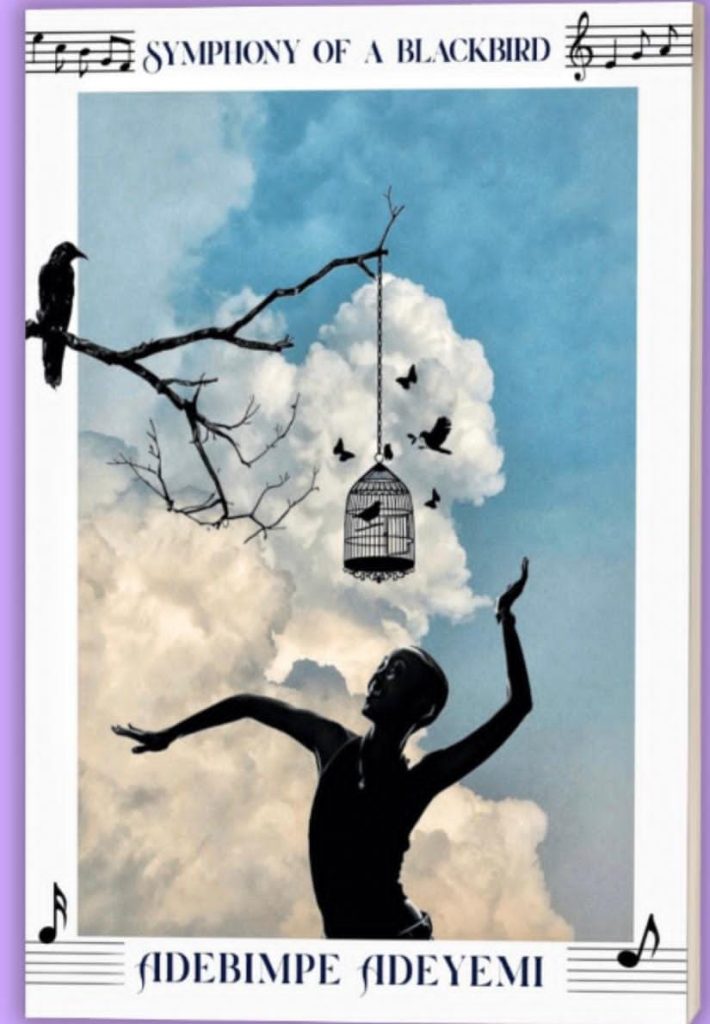
ADEBIMPE Adeyemi’s Symphony of a Blackbird aligns with a formidable tradition of African women writers telling feminine stories and spotlighting the struggles of women in predominantly patriarchal societies. Writing unabashedly about themes that reflect deeply her lived experiences and the experiences of women across the world, the persona addresses numerous issues that the girl child has to grapple with. From the first poem in the chapbook, the poet invites the reader to witness how a woman’s body is policed, dictated to, controlled and used.
In ‘My Body Is a Crime Scene’ the poet persona writes about how the body of a woman becomes the site of various crimes— creating a picturesque account of the gradual death of innocence. In the second stanza, the poem captures profoundly the poet persona’s experience as a girl-child in a typical African home:
Mother says I need policing
The reason my thoughts, hair, face, dress is always under scrutiny is because
Boys don’t get pregnant
You, lady, are always the victim
With a deft language coupled with an acute imagery that lends credence to her themes, Adeyemi’s poetry succeeds in capturing the dominant realities of embodying femininity. This collection reminds of the important works of women poets such as Ama Ata Aidoo, Lola Shoneyin, Victoria Kankara, Warsan Shire, Safia Elhillo, Ladan Osman, and others. Situating her poetry in the tradition of these older and contemporary African women poets, there is a striking reechoing of the struggles engaged by these women poets in Adeyemi’s poetry.
‘My Body Is a Crime Scene’ evokes what Lola Shoneyin’s seminal collection, So All the Time I Was Sitting on an Egg, does in her examination of the plight of women in male dominating spaces. In Lola Shoneyin’s ‘She Tried’ and ‘Stop Slimming Me’, the poet persona interrogates the burden of being policed as a female child in a patriarchal society. The subject of being ‘excessive,’ ‘doing/being too much’ permeates these poems as Shoneyin describes how unbearable these reckless comments and ignorant perspectives about women can be. Adeyemi’s preoccupation in this collection reminds us of how poetry – especially African women’s poetry – responds powerfully in different forms to these issues and provides a way of shaping and correcting the misrepresentation and narratives about women in society.
Furthering her journey of exploring the realities of femininity, Adebimpe reflects on the issue of love and heartbreak. While love is a universal experience, the love described by the poet persona is rooted in a past filled with unsettling encounters with diverse ways in which love can become sour. Engaging love through familial lens, personal lens, and societal lens, these poems push the readers to ask questions about the fragility of love, while also reminding them of the ruin that love births when it ends. In poems such as ‘Beneath the Pain of a Love that Continually Evades’ and ‘Becoming My Mother,’ there is a harrowing description of love – sometimes unreciprocated, sometimes not reciprocated enough. In both poems, the readers are invited to think about familial love and personal love. Adeyemi’s poetry leads the readers into rooms where they find themselves in the photographs on the walls of these poems.
‘Becoming My Mother’ evokes the collective experience of women who have carried and continue to carry with them the bruises of a broken home, of a home filled with everyday complaints and marital weariness. The deployment of imagery and symbolism performs the pivotal role of revealing to the readers the trauma of the past and the aches of the present.
This preoccupation can also be seen in the poetry of Warsan Shire, the Somali-British poet and a major voice in contemporary African poetry. Shire’s ‘Bless the Real Housewife’ and ‘Becoming My Mother’ attends to similar themes of women navigating the difficult situation of enduring their marriage because of the children.
The poet persona focuses on the memories of events that shaped her formative years as a girl-child living in the African society. Mapping these memories and their roles in her understanding of her life as a woman, she presents to the readers the realities of growing older and the elusiveness of understanding certain things about one’s life. Again, the subject of love is infused into these memories. However, the love engaged by Adeyemi in ‘Nobody Sees Me’ considers the desire for love as a child by the poet persona, especially the outspoken and open display of affection that is often missing in a lot of African homes. The transition from that stage of longing for familial love by a child to a woman who questions the meaning of “I love you” as she realises that she desires more than the three-letter words thrown at her by society. This moment of questing guides the poet persona to the meaning of being seen or being invisible.
The theme of identity permeates this collection. In each poem, there is a startling revelation, a testament to aches, a realisation of what is missing, what remains, what is said, and what remains unspoken. There is the ceremony of love and loss, and both are interwoven in a way that troubles the readers’ understanding of the world they inhabit. In the other poems in the chapbook, Adebimpe attends to themes such as the demise of some of her beloveds, her country’s multifarious problems, and other themes. These poems are birthed from a deep sense of awareness and perspective on the occurrences in the contemporary society. Adeyemi’s thematic preoccupations evoke loudly the recent tragic occurrences of the rise of femicide in Nigeria, the kidnapping of young girls by armed bandits, and the continuous suffering of a female child. She recognises the need to write poetry that brings the readers close to the wounds and aches of their own lives and the lived realities of women and female children across the world.
With her mastery of lyricism, her attention to the seamless flow of verses, and her impeccable deployment of language, Adeyemi’s Symphony of a Blackbird is important poetry chapbook marks the arrival of an African woman poet who bears witness to the past and the present, while also forging a path to the future. Hers is a revolutionary voice, a salient addition to the body of literary texts on the experiences of a girl-child in our society. This is one book that will contribute to the canon of poetry that celebrates the lived experiences of African women.
* Gbolahan is the author of The Origin of Wounds