As creatives, we shift mindsets to promote sustainable development, says James-Chu

By Rita Okonoboh-Fagbayi
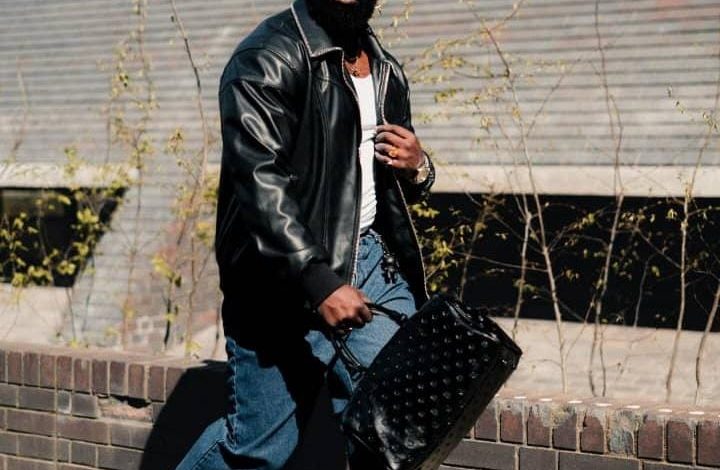
Once upon not very often, the world frames uniqueness represented in multi-dimensional expressions carved into the creative space. And that is what Douglas James-Chu—UK-based actor, fashion icon and fitness influencer—represents. From the movie set to the fashion runway, and the modelling streets of fitness, James-Chu’s craft explores daring artistic boundaries, integrating creativity with lifestyle, and providing a fitting context for how the arts drive and sustain meaningful development. In this interview, James-Chu speaks on how creativity engages self-improvement, blends inspiration with growth, breaks down barriers while fostering unity, and leans interestingly into forging connections across enterprise beyond restrictive expectations
What inspired you to embrace the creative industry?
GROWING up, I’ve been quite conscious of my talents. In church dance groups, in the choir, in my school dance and drama groups as well, I’ve always known I was creative so it was a no-brainer really! But it wasn’t until when COVID-19 struck, that I really leaned into it and decided to go all in. That period forced a lot of clarity. I realised that creativity wasn’t just something I enjoyed, it was how I understood the world and how I wanted to be seen in it.
As an actor, your performance range indicates ‘tentacled’ spread, to which you bring a fitting deliberateness that ensures quality over quantity. As a model, you have worked with the likes of Lacoste, Puma, Burger King, Fanta, Adidas, among others. As a fitness influencer, you are required to use your craft to reach out to diverse populations. What makes your areas of focus significant in today’s world?
Everything I do sits around identity and expression. Acting allows me to tell stories that people can see themselves in; fashion communicates personality without needing words; fitness represents discipline, structure, and self-respect. In today’s world, a lot of people, especially men, are still figuring out who they are and how they see themselves. That is where my work connects deeply. I lean into reshaping men’s perception of themselves, using fashion and fitness not just as aesthetics, but as tools for confidence and mental well-being. My mantra is simple: if you look good, you feel good and when you feel good, you do good. For me, it’s about helping people show up better for themselves first, and then for the world around them.
You have a degree in Economics. Still, your work in the creative industry speaks to a distinct measure of artistic excellence. What challenges have you faced as a creative, and how have you been able to navigate these challenges?
One of the biggest challenges has been not wanting to be boxed into one thing. People like simplicity, but I am multi-dimensional. Navigating that means being confident in my identity and trusting that the right audience will connect with all parts of me, and not just one.
From your days in the Royal Arts Academy, to winning award for best male actor, among other screen successes, what would you say has been your most challenging role yet?
Honestly, being myself consistently. It sounds simple, but showing up authentically across different platforms, industries, and expectations can be challenging. It requires a lot of self-awareness and discipline. But if we are talking about movie roles, then there is nothing that has been thrown at me that I haven’t bodied. Thinking about it again, maybe I could say the only challenging role—although I would wouldn’t really consider it a challenge because I had fun playing it—was playing the judge in a stage play called ‘Man Talk, Woman Talk’. As it was stage, there was a lot of scripting, dancing and changing costumes. However, overall, it was a fun experience.
Have you ever had to turn down a role?
Yes. For me, alignment matters. If a role, brand, or project doesn’t reflect my values or the direction I’m building towards, I’d rather say no. Short-term gains aren’t worth long-term confusion in your identity.
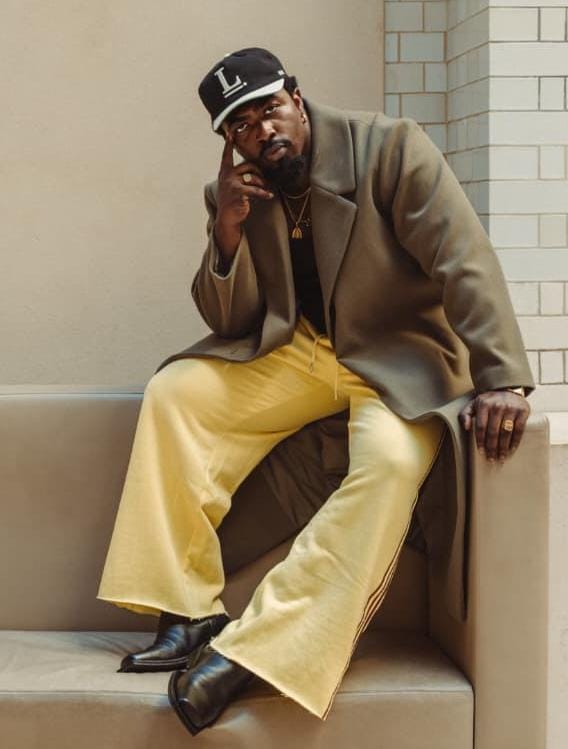
Douglas James-Chu
All too often, there is a tendency towards assumptions about the relevance of the creative industry in promoting sustainable development. How do you think the industry contributes to making the world a better place?
Creatives shape culture. Whether it is through storytelling, campaigns, or influence, we can shift mindsets. Sustainability isn’t just environmental; it is social, mental, and cultural. The industry has the power to make responsible living feel aspirational and accessible.
Based on your experiences across continents, how would you say the creative industry bridges cross-cultural boundaries?
Creativity is one of the few universal languages. Moving from Nigeria to the United Kingdom, I have seen how storytelling, fashion, and content can connect people who have completely different backgrounds. It breaks barriers without needing translation.
In what ways has being in the UK been relevant to your career path?
The UK has exposed me to a broader creative ecosystem. With more structure, more global access, and different standards, it has challenged me to refine my craft and think bigger in terms of impact and positioning.
And how has this relevance impacted your growth?
It has made me more intentional. I don’t just create for the moment anymore, I create with a clear direction. Being here has helped me understand the importance of branding, consistency, and long-term vision.
How has your migration from Nigeria to the UK influenced your creative practice?
It has deepened it. I carry my Nigerian identity into everything I do, but now I also have a global perspective. That blend makes my work more layered, more authentic, and more relatable across different audiences.
Fitting into different roles can be quite daunting for a creative. How do you handle the pressure?
I approach roles by bringing myself into them rather than trying to fit into expectations. That mindset reduces pressure and allows for authenticity.
What advice would you give to people looking to entering the creative space?
Don’t rush to fit into a niche just because it’s trending. Take time to understand yourself first. Your uniqueness is your strongest asset and you need to protect it and build from it. Aim to build a community because it will help in longevity.
What is your definition of success as a creative?
Success is alignment—being able to create what feels true to you, impact people in a meaningful way, build a community with that and sustain a life from it. That is success to me.
How do you ensure a balance in your personal life and career path?
Having a routine really helps and being disciplined to follow through with it.
The intersections involving the creative economy, such as in medical fields, technology, religion, politics, etc., are constantly evolving. What ways would you suggest to help creatives navigate such intersections?
As creatives, we need to stay informed and adaptable. The world is evolving, and creativity doesn’t exist in isolation anymore. Understanding how your work connects to bigger systems. whether it’s tech, culture, or policy, helps you stay relevant and impactful.
Where do you see yourself in the next five years?
I see myself established as a global creative, working on major film and television projects, building a strong personal brand, and creating content that reaches and impacts people worldwide.
If you could live your life over, what industry would you have preferred?
Honestly, I’d still choose this path. Creativity gives me the freedom to express, to connect, and to continuously evolve. It is more than a career; it’s part of my identity. In many ways, it even deepens my connection with God. As the ultimate Creator, I feel like through my work, I’m participating on a small level in that creative process. It gives what I do a sense of purpose beyond just myself.
Douglas James-Chu and the power of artistic intentionality: A review
A glimpse into the creative space that Douglas James-Chu embodies unveils a layered lighthouse identity that beams the path of fostering self-affirmation, communal ties, and global sustainable development. In a world that is increasingly distracted by the nuances of individualised worth couched in easy-fading facades, James-Chu stands as a unique unifier.
In film, James-Chu’s essence reverberates with a steady pulse, proving that intentionality aligns with formidability, well beyond the disappearing lines of patterned featuring.
In fashion, his range furthers his sense of established finesse, and this is evident in his collaborations with the likes of Puma, Adidas, Burger King, etc.
Fitness takes a similarly measured purposefulness, and to this space, he brings a calculated perception that extends well beyond immediate assumptions.
Blending the worlds of film, fashion and fitness with such rhythmic-yet-stately precision speaks to James-Chu’s distinctive art form. From Nigeria, to the UK and beyond, he remains a relevant indicator that the arts remain a vital throbbing point in global dynamics.
* Dr. Okonoboh-Fagbayi, an art and culture critic, is a lecturer at the Department of English, University of Ibadan, Oyo State, Nigeria