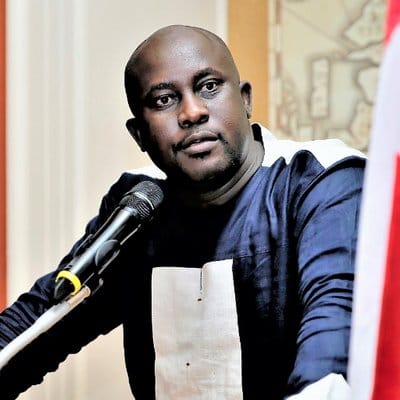
Coal City Film Festival 2026: Husseini sues for stronger distribution channels in Enugu


By Editor
THE Executive Director/Chief Executive Officer of the National Film and Video Censors Board (NFVCB), Dr. Shaibu Husseini, has called for stronger distribution frameworks within Nigeria’s film industry to ensure that locally produced content achieves global visibility. Husseini made this call while delivering the keynote address at the opening ceremony of the 2026 edition of the Coal City Film Festival, held in Enugu.
While welcoming participants to the festival, Husseini expressed personal delight at hosting the event in Enugu, his birth state, noting the city’s rich cultural heritage and longstanding contribution to Nigeria’s creative landscape. He commended the festival organisers, particularly the Festival Director, Uche Agbo, for their resilience and commitment in sustaining the initiative. According to him, the Coal City Film Festival has grown into a significant cultural platform and a must-attend cinematic event in South East Nigeria.
While speaking on the festival’s theme, ‘Local Stories, Global Screens,’ Husseini emphasised the importance of authenticity in storytelling, noting that films rooted in local realities, languages, and cultural truth often resonate more strongly with global audiences. He cited notable Nigerian productions such as King of Boys by Kemi Adetiba, The Wedding Party by Mo Abudu, Anikulapo by Kunle Afolayan, Black Book by Editi Effiong, and Lionheart by Genevieve Nnaji as examples of culturally grounded stories that have gained international recognition on platforms such as Netflix and at global film festivals.
While acknowledging the growth in film production across Nigeria, the NFVCB boss identified distribution as a major bottleneck in the industry. He observed that many high-quality films struggle to reach audiences both locally and internationally due to limited distribution channels. Husseini therefore urged film festivals across the country to evolve beyond networking platforms into active marketplaces where filmmakers can secure distribution deals. He stressed that festivals must attract distributors, exhibitors, streaming platforms, and marketers to create tangible opportunities for filmmakers.
“Film festivals must become gateways to distribution where filmmakers leave not just with applause, but with real opportunities,” he said.
Reaffirming the board’s commitment to industry development, the executive director stated that the NFVCB has continued to reposition itself as a partner in progress by engaging stakeholders, improving classification processes and promoting a balance between creative freedom and social responsibility. However, he raised concerns over increasing non-compliance with regulatory requirements, noting that some filmmakers still bypass the board by releasing unclassified films or operating without proper licensing.
He reiterated that all films and video works must be submitted to the NFVCB for classification and registration before being released on any platform, including digital platforms such as YouTube.
“This is a legal obligation, and the board will not hesitate to take decisive action against defaulters,” he warned, adding that regulation is essential for protecting the industry, audiences, and national values.
Looking ahead, Husseini assured stakeholders of the board’s continued collaboration with filmmakers and festival organisers to build a structured, sustainable, and globally competitive Nigerian film industry. He concluded by commending the organisers of Coal City Film Festival for their vision and contribution to Nigeria’s cultural economy, urging filmmakers to continue telling authentic stories that resonate across global screens.